A 2022 survey by JumpCloud showed that 87.5% of small and medium-sized businesses (SMBs) were either working with a managed service provider (MSP) or considering the partnership. Of those already partnering with MSPs, 37.9% used them to enhance their internal IT teams through co-managed services, while 27.1% entrusted MSPs to handle their entire IT infrastructure.
The reason for these numbers is that small businesses often struggle with managing their technology needs. And in such cases, the role of professional IT support for small businesses becomes important.
A good managed IT service provider can help your business run smoothly and stay secure. Here’s what you should expect from quality IT support for small businesses:
Strategic Planning

Your IT support team should help you create a solid tech strategy. They’ll work with you to understand your business goals and how technology can help you achieve them. Regular meetings to discuss your IT needs and budget are essential. A clear plan helps you avoid unexpected expenses and keeps your technology aligned with your business growth.
System Documentation

Think of this as a detailed map of your IT setup. It shows how all your devices, software, and systems work together. Good documentation helps your IT team solve problems faster and make upgrades smoother. It’s like having a well-organized toolbox—everything is easier to find and use when you need it.
Network and Server Monitoring
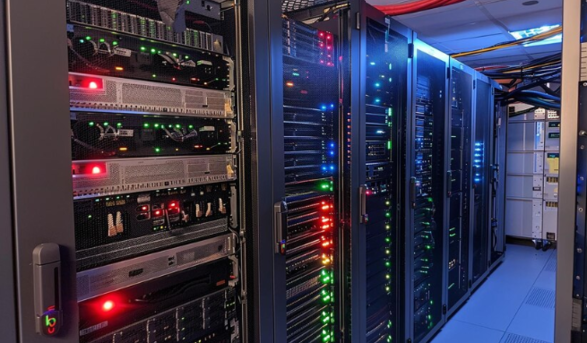
A study by IDC revealed that 80% of small businesses have faced IT downtime, leading to significant operational setbacks. In fact, each incident cost them anywhere from $82,200 to $256,000.
Your IT support should keep a watchful eye on your network and servers. Professional IT support uses special tools to spot potential problems before they cause downtime.
Cybersecurity Protection

In today’s digital world, cybersecurity is crucial. IT support for small businesses should include strong measures to protect your data and systems. This involves:
- Employee training on cybersecurity best practices
- Setting up and maintaining firewalls
- Installing and updating antivirus software
- Encrypting sensitive data
- Regularly updating software and applying security patches
- Creating and enforcing security policies
- Implementing password management tools
- Monitoring the dark web for potential data leaks
A good IT support team will make your business a tough target for cybercriminals, helping you avoid costly data breaches and protect your reputation.
Tech Support
When something goes wrong, you need help fast. Quality IT support for small businesses offers both remote and on-site assistance. They should be able to solve most issues quickly over the phone or online.
For more complex problems, they’ll send someone to your office. Look for a provider that offers 24/7 support and lets you track the status of your service requests in real-time.
Software Training and Support
Your employees need to know how to use your business software effectively. Good IT support includes training for new employees and refresher courses for existing staff. They should be familiar with the software your business uses daily, including any industry-specific programs.
Data Backup and Disaster Recovery
Losing important data can be devastating for a small business. Your IT support for small businesses should include a robust backup and recovery system. This means:
- Regularly testing your current backup system
- Setting up both on-site and cloud backup solutions
- Creating and testing a disaster recovery plan
- Providing options for backup hardware and emergency power
A solid backup and recovery plan can be a lifesaver if you face data loss or a major business interruption.
IT Asset Management

Keeping track of all your IT assets (like computers, software licenses, and mobile devices) can be challenging. Good and reliable IT support for small businesses can manage these assets effectively.
The providers will keep an inventory of your hardware and software, track warranties, and help you plan for upgrades or replacements.
Proactive Maintenance
Prevention is better than cure. Your IT support should perform regular maintenance on your systems to prevent issues before they occur. This includes tasks like:
- Cleaning up unnecessary files and programs
- Optimizing system performance
- Updating software and drivers
- Checking and replacing aging hardware
Proactive maintenance keeps your systems running smoothly and can extend the life of your IT equipment.
Scalability
Look for IT support for small businesses that can scale their services to match your growth. They should be able to add new users, upgrade systems, and implement new technologies as your business expands.
Vendor Management
Dealing with multiple technology vendors can be time-consuming. A good IT support provider can manage these relationships for you. They’ll handle communications, negotiate contracts, and ensure you’re getting the best value from your tech investments.
Clear Communication
Your IT support should speak to you in a language that is not complicated and understandable to you. They should be able to explain complex issues in a way that’s easy to understand. Regular reports on the state of your IT systems, upcoming needs, and potential improvements are also valuable.
Quality IT support for small businesses doesn’t have to break the bank. Moreover, budget is something small businesses often have to keep in mind. Therefore, work with providers who can offer you reliable and flexible pricing models and can work within your budget.